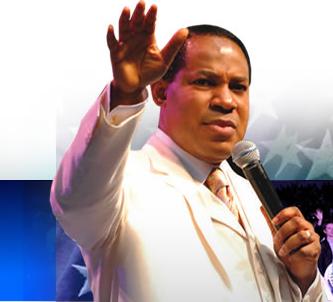
Ministry leaders are often viewed as pillars of strength, wisdom, and spiritual guidance. They support their congregations through grief, crisis, and life transitions while maintaining a steady presence of faith and leadership. However, behind this outward stability, many leaders experience intense pressure that can contribute to stress, burnout, mental health challenges, and addiction. Faith under pressure is a reality that is often overlooked, yet recognizing these struggles early is essential for healing, restoration, and long-term well-being.
The Reality of Pressure in Ministry Leadership
Church leadership is deeply meaningful work, but it also comes with unique emotional and psychological demands that can quietly take a toll over time.
Constant Emotional Labor and Caregiving
Ministry leaders are frequently called to support individuals in some of life’s most painful moments. This includes counseling grieving families, supporting individuals with addiction, and guiding people through crisis. Over time, this emotional labor can lead to compassion fatigue, emotional exhaustion, and burnout. Without proper support, some leaders may begin to rely on substances as a coping mechanism.
The Expectation to Remain Strong
There is often an unspoken expectation that faith leaders must always remain composed, faithful, and emotionally stable. This pressure can make it difficult to express vulnerability or seek help. As a result, many leaders carry their struggles privately, which can intensify both mental health concerns and substance use issues.
Recognizing Addiction and Mental Health Struggles in Ministry
Addiction and mental health challenges do not always appear in obvious ways. In fact, they are often subtle and gradual in their development.
Behavioral and Leadership Changes
One of the earliest signs of struggle may be changes in behavior. This can include withdrawing from responsibilities, missing commitments, or showing inconsistency in ministry duties. Leaders may also appear disengaged, less communicative, or emotionally distant.
Emotional and Physical Indicators
Persistent anxiety, irritability, sadness, or emotional numbness may signal underlying mental health concerns. Physical signs can include fatigue, sleep disruption, or increased reliance on alcohol or medications to manage stress. These indicators should be taken seriously and addressed with care and compassion.
Understanding the Link Between Faith, Stress, and Addiction
Faith and leadership can be sources of strength, but they can also contribute to internal pressure when expectations become overwhelming.
Stress as a Driving Factor
Chronic stress affects emotional regulation and decision-making. When stress is not addressed, it can lead individuals to seek temporary relief through substances. Over time, this pattern can develop into dependency, especially when emotional burdens remain unresolved.
The Role of Isolation
Despite being surrounded by people, ministry leaders can experience deep isolation. Conversations often revolve around the needs of others, leaving little space for leaders to express their own struggles. This lack of emotional support can increase vulnerability to addiction and mental health challenges.
Pathways to Healing and Recovery
Recovery is not about stepping away from faith or leadership. It is about restoring health, clarity, and balance so leaders can continue their calling in a sustainable way.
Individualized Addiction Recovery Care
Effective treatment begins with personalized care. Inpatient and outpatient programs provide structured support tailored to each individual’s needs. These programs address both substance use and co-occurring mental health conditions, ensuring comprehensive healing.
Mental Health Treatment and Emotional Healing
Therapy and counseling play a critical role in recovery. These services help leaders explore underlying stress, trauma, and emotional challenges while developing healthier coping strategies. Mental health treatment provides a foundation for long-term stability and resilience.
Holistic and Faith-Based Support
A holistic approach to recovery addresses the mind, body, and spirit together. For ministry leaders, integrating faith into treatment can provide hope, meaning, and spiritual grounding. When combined with clinical care, this approach supports deeper and more sustainable healing.
Creating Healthier Ministry Environments
Church communities play an important role in supporting leaders and reducing stigma around mental health and addiction.
Encouraging Open Conversations
When mental health and addiction are openly discussed, leaders are more likely to seek help early. Creating safe and confidential environments reduces fear and encourages honesty about personal struggles.
Promoting Balance and Boundaries
Healthy ministry includes rest, boundaries, and shared responsibility. Leaders who are supported in maintaining balance are better equipped to serve their communities effectively without sacrificing their own well-being.
Conclusion: Strength in Seeking Support
Faith under pressure does not mean failure. It reflects the reality of being human in a demanding role. Recognizing addiction and mental health struggles in ministry leaders is the first step toward healing and restoration.
If you are a ministry leader experiencing stress, addiction, or emotional exhaustion, or if you know someone who is, help is available. Compassionate, individualized, and holistic care can restore balance, strengthen resilience, and renew purpose. Reaching out for support is not a weakness. It is a courageous step toward healing and a healthier future in both life and leadership.
Church leaders are often seen as steady, dependable figures who guide others through life’s most difficult moments. From the pulpit, they offer wisdom, encouragement, and spiritual direction. Yet behind that public role, many leaders quietly struggle with addiction and mental health challenges that go unnoticed for long periods of time. The reality is that addiction in church leadership is often hidden, not because it is rare, but because it is masked by responsibility, expectations, and silence. Understanding why it goes unseen is the first step toward meaningful healing.
Church leadership is often seen as a sacred calling marked by purpose, service, and spiritual strength. Yet behind the pulpit, many leaders carry a weight that is rarely visible to others. The emotional demands of ministry, combined with constant responsibility and high expectations, can lead to chronic stress, burnout, and in some cases, addiction. When the calling becomes heavy, it is important to understand that struggling is not a failure of faith. It is a human response to sustained pressure, and recovery is both possible and deeply supported through compassionate, holistic care.
Faith leaders are often the ones others turn to in moments of crisis, grief, and uncertainty. They offer guidance, stability, and spiritual care to their communities. Yet behind this role, many leaders face their own private battles with addiction, stress, and mental health challenges. The pressure to remain strong for others can make it difficult to seek help. Holistic addiction recovery offers faith leaders a compassionate, comprehensive path to healing that addresses the mind, body, and spirit together, rather than focusing on symptoms alone.
Church leaders are often seen as steady anchors in their communities, offering guidance, hope, and spiritual direction. Yet behind the sermon, many leaders quietly carry significant stress, emotional exhaustion, and in some cases, addiction. The demands of ministry can accumulate over time, creating a heavy internal burden that is rarely visible to others. Healing from addiction and stress is not about stepping away from faith or leadership. It is about restoring health, rebuilding resilience, and finding a sustainable way to continue serving with clarity and strength.
Church leaders are often seen as pillars of strength, faith, and moral guidance. They support others through grief, crisis, and transformation while carrying the emotional weight of entire communities. Yet behind this role, many leaders quietly face their own struggles with addiction and mental health challenges. Balancing faith and recovery is not about choosing one over the other. It is about integrating spiritual conviction with compassionate, evidence-based care that allows healing to take place without shame or fear.
Ministry leaders are often the first to offer guidance, encouragement, and care to others. Yet many quietly carry their own burdens, including struggles with substance use and mental health. The culture of silence surrounding addiction in church leadership can make it difficult to ask for help, allowing challenges to grow in isolation. Moving from silence to support is essential. With compassionate, professional, and faith-based care, ministry leaders can find healing, regain balance, and continue their calling with renewed strength and clarity.
Church leaders carry immense responsibility. They guide congregations, provide counsel, and model spiritual integrity. Yet behind the pulpit, many face struggles that go unseen, including addiction and mental health challenges. The pressures of ministry, high expectations, and emotional demands can leave leaders feeling isolated and overwhelmed. Understanding addiction and mental health in church leadership is essential to providing compassionate support, fostering healing, and restoring balance for both the leader and their community.
Church leaders are entrusted with guiding congregations, offering spiritual support, and modeling moral integrity. Yet many leaders face hidden struggles with addiction and mental health challenges. The weight of responsibility, high expectations, and constant public visibility can leave leaders feeling isolated, overwhelmed, and unsure where to turn. Addressing addiction in ministry requires compassion, understanding, and access to professional, holistic, and faith-based support. Recovery is not a failure of faith—it is a courageous step toward health, resilience, and renewed purpose in leadership.
Church leaders are entrusted with guiding their congregations, providing counsel, and offering spiritual support. While their work is deeply meaningful, it can also carry heavy emotional and mental burdens. Constant responsibility, high expectations, and the pressure to model moral integrity can leave leaders vulnerable to substance use and mental health challenges. Moving from burden to balance requires awareness, compassion, and access to professional, faith-based, and holistic support. Recovery is not a sign of weakness. It is a courageous step toward health, resilience, and renewed purpose.